

Kids Birthday Party Places: How to Pick One That Actually Works
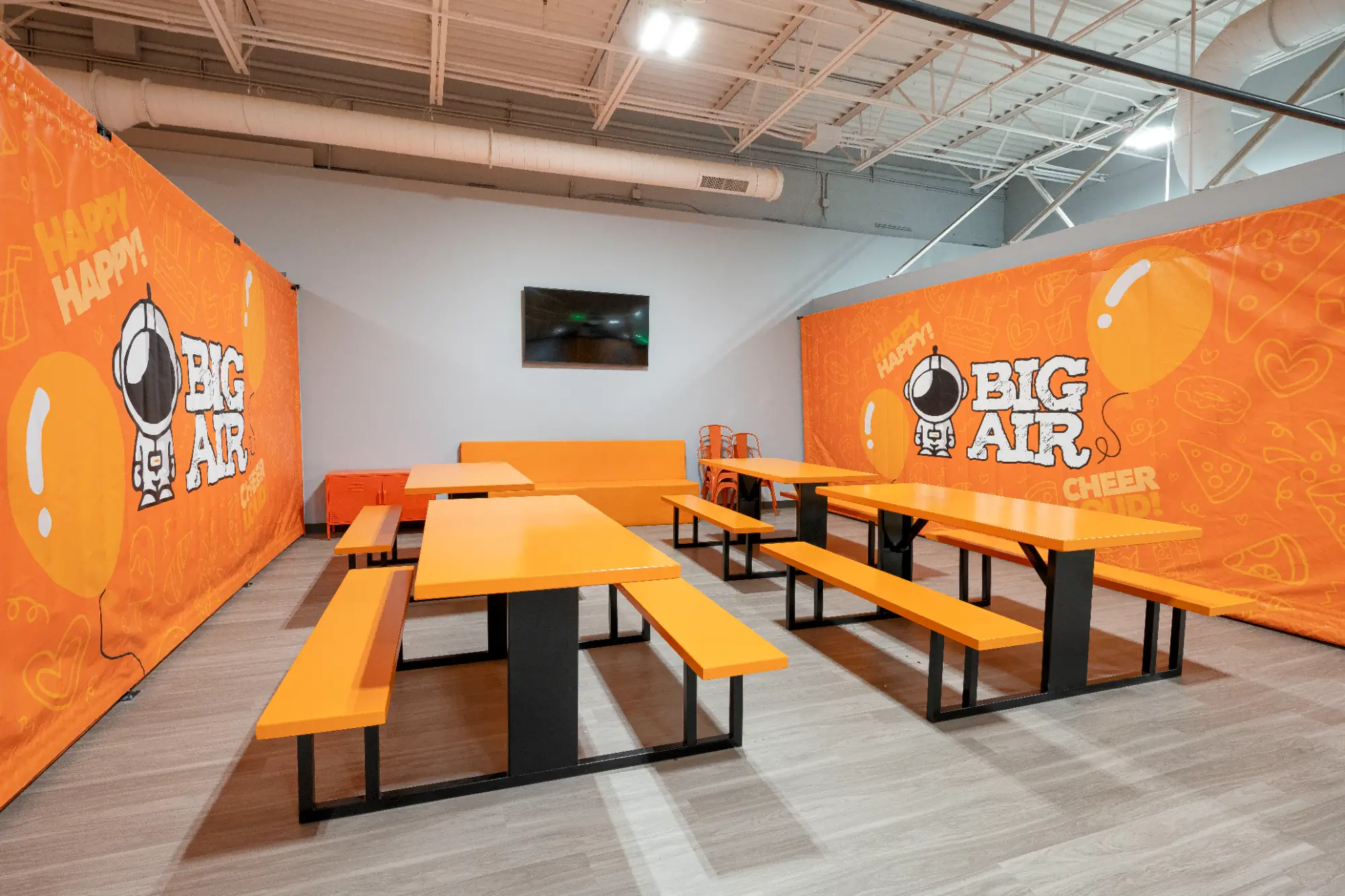
At some point every parent types the same thing into a search bar: kids birthday party places. Then the results come back and it turns into a different problem. There are a lot of options, they all look fun in photos, and none of the listings tell you the part you actually care about, which is whether the day will run smoothly or whether you will spend it refereeing, refilling cups and sweeping up crumbs.
This is a practical guide to choosing a birthday party place. It covers what matters at each age, the questions that separate a good venue from a stressful one, and what you actually get when you book a party at an indoor adventure park like Big Air. Toddler parties get their own section, because a second birthday and a ninth birthday are completely different events.
Start with the age, not the venue
The single biggest mistake parents make is picking a place because it looked great for someone else's kid. A party place works when it fits the energy level and attention span of the guests, so start there.
Ages 1 to 3. Short attention spans, nap schedules and a lot of parents in the room. The party is really two parties: one for the toddlers and one for the adults who came with them. You want a contained space, a morning or early afternoon slot, and somewhere for the grownups to sit.
Ages 4 to 7. This is peak energy. Kids this age want to run, climb and move for most of the party, and they lose interest fast if they are asked to sit still and wait. Pick a place where the activity is the entertainment, so nobody has to invent games on the spot.
Ages 8 to 12. Kids start caring about what their friends think is cool. Activities with a bit of challenge, competition or a "did you see that" moment land better than anything that feels little-kid. Think obstacle courses, dodgeball and anything they can try, fail and try again.
Teens. Smaller groups, more freedom, and food matters more than decorations. Evening options are a plus.
The five things that decide whether a party place actually works
Once you know the age, judge every option against these five things. Most stressful parties fail on one of them.
1. Somewhere for the energy to go. A room full of excited kids with nothing to do turns chaotic in about ten minutes. The best party places have a main activity that keeps everyone busy for most of the booking.
2. Someone running the clock. A party has a rhythm: arrive, play, eat, cake, presents, goodbyes. If you are the one keeping time, you are not enjoying the party. A dedicated host who moves the group along is worth more than almost any other feature.
3. Food that is handled. Ordering pizza, finding plates, pouring drinks for fifteen kids and keeping the cake out of reach is a part-time job. Ask exactly what food and drinks are included and what you are expected to bring.
4. Weather that cannot ruin it. Outdoor parties are lovely right up until it rains, gets too hot or gets dark at five o'clock. An indoor venue takes the forecast off your list of worries entirely.
5. Cleanup that is not yours. The last thirty minutes of a home party are the worst thirty minutes. If setup and cleanup are included, you walk out with your kid and the presents and that is it.
Comparing the usual options
A party at home is the cheapest on paper and the most work in practice. You host, you feed, you entertain, you clean. It works best for small groups and younger kids who are happy with a familiar space.
A park or pavilion gives kids room to run, but you are at the mercy of the weather, the bathrooms and whoever else shows up. You still handle food, setup and cleanup.
A restaurant solves the food and the cleanup, but kids are expected to sit, and that is a tall order for anyone under ten at their own birthday party.
An activity venue, like an indoor adventure park, combines the room to move with the food, the host and the cleanup. It costs more than a backyard, but you are paying for the parts of a party that are usually the hardest.
What a party at an indoor adventure park actually includes
Packages vary by park, so always check the birthday page for the park you are booking. Across Big Air parks, a party package usually includes:
- A set amount of play time on the attractions for a group of guests, most often 10
- Time in a private party room or reserved party area
- A dedicated party host
- Pizza and drinks
- Air Socks (grip socks) for every guest who plays
- Cups, plates and napkins, plus setup and cleanup
- Invitations at some parks
Additional guests can be added for a per-person price, and most parks offer several package levels with more play time or extras as you go up. Most standard packages for 10 kids fall somewhere in the low to mid hundreds of dollars, depending on the park, the day and the package. For the exact options at your nearest park, see the birthday party page.
The bigger point is what you are not doing. You are not buying plates, ordering pizza, planning games or vacuuming. The host handles the timing, the attractions handle the entertainment, and you get to watch your kid have a great time.
Toddler birthday parties: what changes
A toddler birthday is its own thing, and the best toddler party places are built around how little kids actually play.
Pick the right time of day. Toddlers are at their best in the morning and fall apart around nap time. A morning slot beats an afternoon one almost every time.
Look for space sized for little kids. Big open courts full of older kids can be overwhelming at two years old. Many Big Air parks have areas designed for younger guests, and some run Toddler Time sessions when the park is set up just for little ones. Our guide to Toddler Time explains how those sessions work.
Plan for the parents. At a toddler party most guests arrive with an adult, so seating and food for grownups matter as much as the activity.
Keep the guest list small. Six to ten toddlers is plenty. Some parks offer a toddler party package that is built for a smaller, younger group, so ask about it when you book.
Questions to ask before you book any party place
- How long is the party, and how is that time split between playing and the party room?
- How many kids are included, and what does each additional guest cost?
- What food and drinks are included, and can we bring a cake?
- Is there a dedicated host, and what do they actually do?
- What do guests need to bring or sign before they arrive?
- What happens if more kids show up than we planned for?
- How far ahead do popular dates fill up?
Any venue that answers these clearly and quickly is usually a venue that runs parties well.
Do guests need to sign a waiver?
At Big Air, yes. Every guest who plays needs a signed waiver, and anyone under 18 needs a parent or guardian to sign it. Waivers can be completed online before the party, which saves a lot of time at check-in. A signed waiver is good for a year.
Do parents have to pay?
Spectators are free at Big Air. Parents who come to watch do not need admission. If a parent wants to play too, they need a waiver and count as an additional guest.
What should kids wear?
Comfortable athletic clothes they can move in. Party packages include Air Socks, so guests do not need to bring their own. For more detail, see what to wear to a trampoline park.
How far ahead should I book?
Weekend slots are the first to go, especially Saturday mornings and early afternoons. If you have a specific date in mind, book as early as you can.
Planning your party
Once you have the age, the guest count and a rough date, the rest gets easy. Start with the birthday party page for your nearest park, check pricing if you want to compare regular admission, and look through the attractions so you know what the kids will be doing. When the day comes, the plan your visit page covers waivers, socks and check-in.
If you want the full step-by-step, read how to plan the perfect trampoline park birthday party, and for the case for going indoors, why indoor birthday parties win.